Naples keeps its best secrets in plain sight: behind a scruffy doorway, at the bottom of a stairway, a few metres underground. You can pass them a dozen times and never know. Here are some of the places Ines loves to share.
"Hidden" is relative, of course. Neapolitans know them all. But most visitors never find them, and that is where a host comes in.
The PedamentinaThe stairway down from the sky
Start high, at San Martino on the Vomero hill, and come down the old way: the Pedamentina, a stone stairway of hundreds of steps that zigzags from the monastery towards the old centre. Vesuvius hangs in front of you the whole way, the rooftops get closer, and the noise of the city slowly rises to meet you.
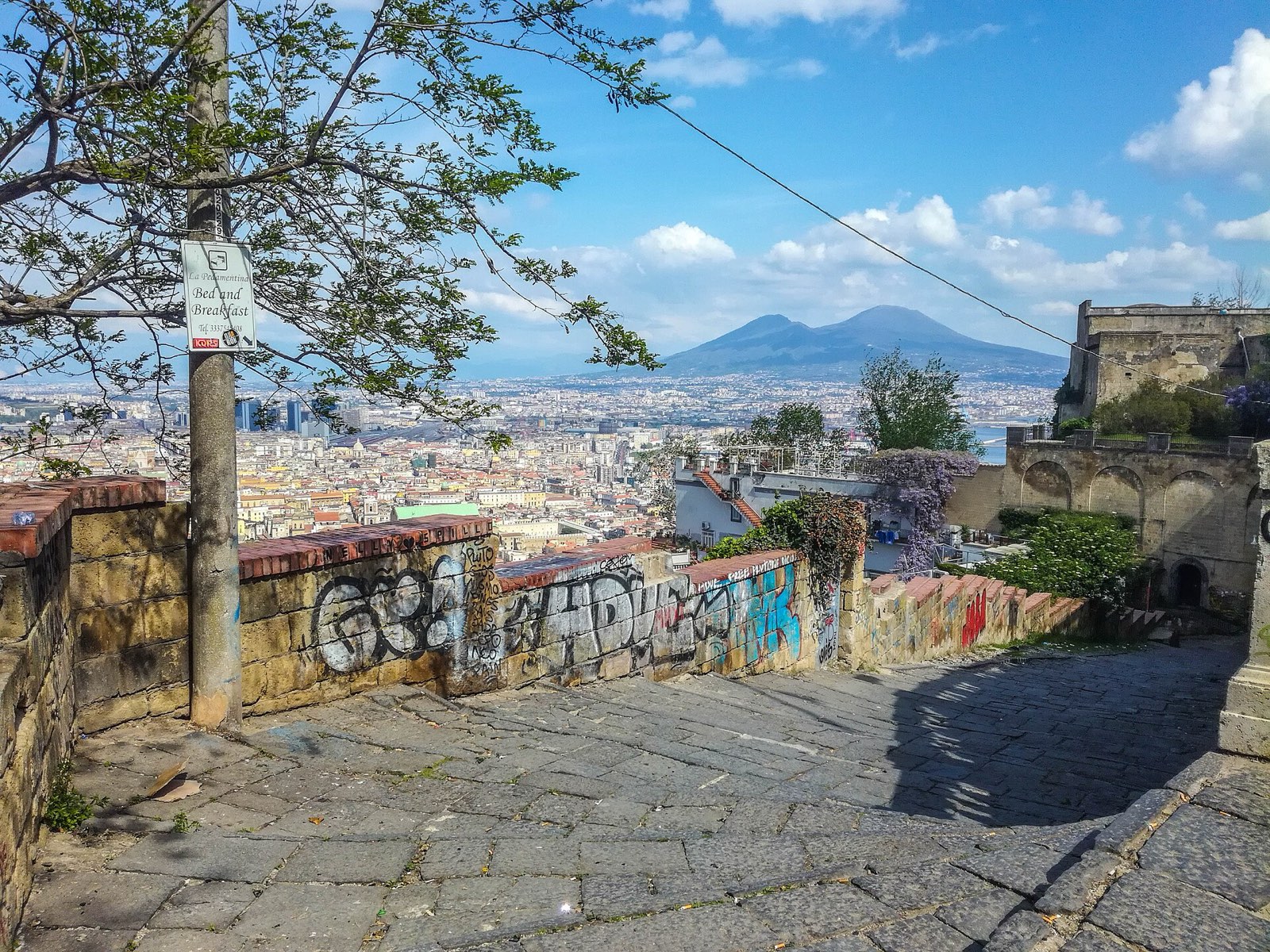
A tip from Ines: walk it down, not up.
Palazzo dello SpagnoloA staircase with wings
In the Rione Sanità, a neighbourhood many visitors never reach, step through an ordinary-looking doorway into a courtyard and look up. The open double staircase of the Palazzo dello Spagnolo, from the eighteenth century, rises in great arches like a pair of wings. Neapolitans call this style ali di falco, the falcon's wings.
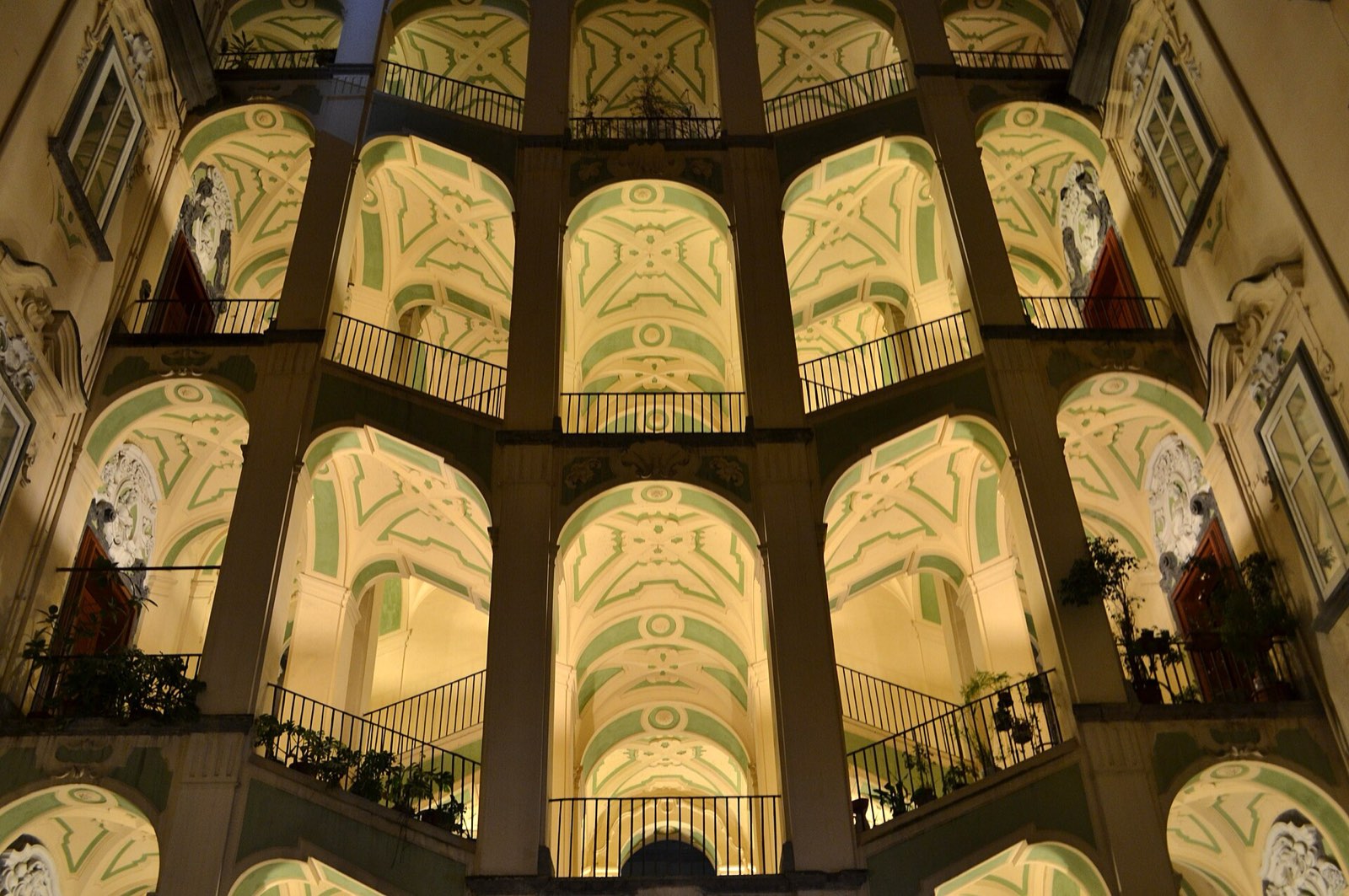
The Sanità is one of the most alive parts of the city. Ines will tell you its stories while you walk, and probably stop for a pastry.
The Catacombs of San GennaroSaints underground
Beneath the hill of Capodimonte lie early Christian catacombs, carved into the soft yellow tufa, with frescoes that have survived for well over a thousand years. Among them is one of the earliest images of San Gennaro, the city's patron saint.
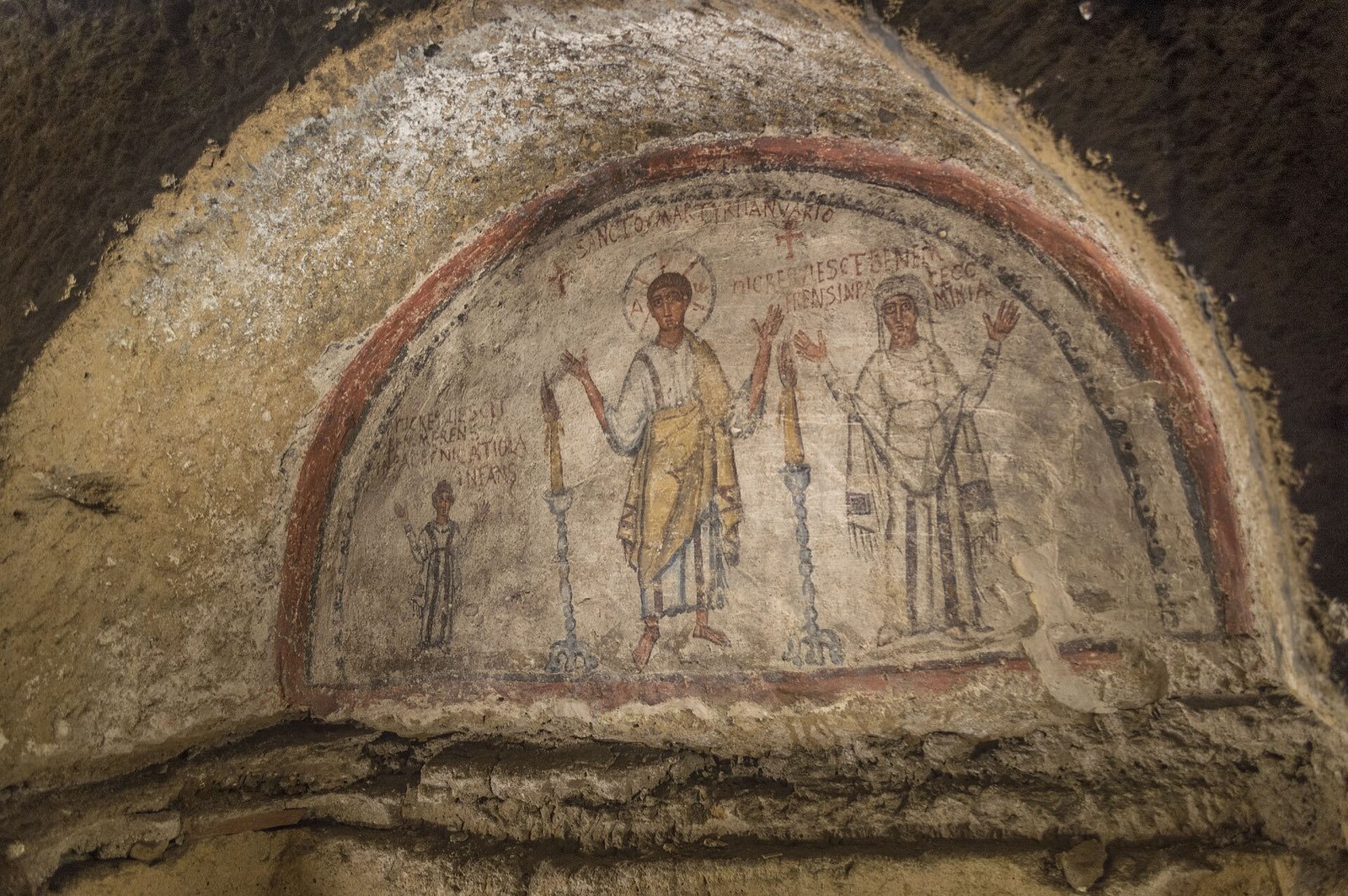
The best part of the story is modern. The catacombs are looked after by a cooperative of young people from the Sanità, who took them on and brought them back to life. Their passion is half the visit.
The Fontanelle CemeteryThe adopted souls
Not for everyone, but unforgettable. The Cimitero delle Fontanelle is a vast old quarry in the tufa, filled with thousands of skulls and bones of people who were never named. For generations, Neapolitans "adopted" a skull, cleaned it, gave it a name and brought it gifts, asking in return for help, luck or a good dream.
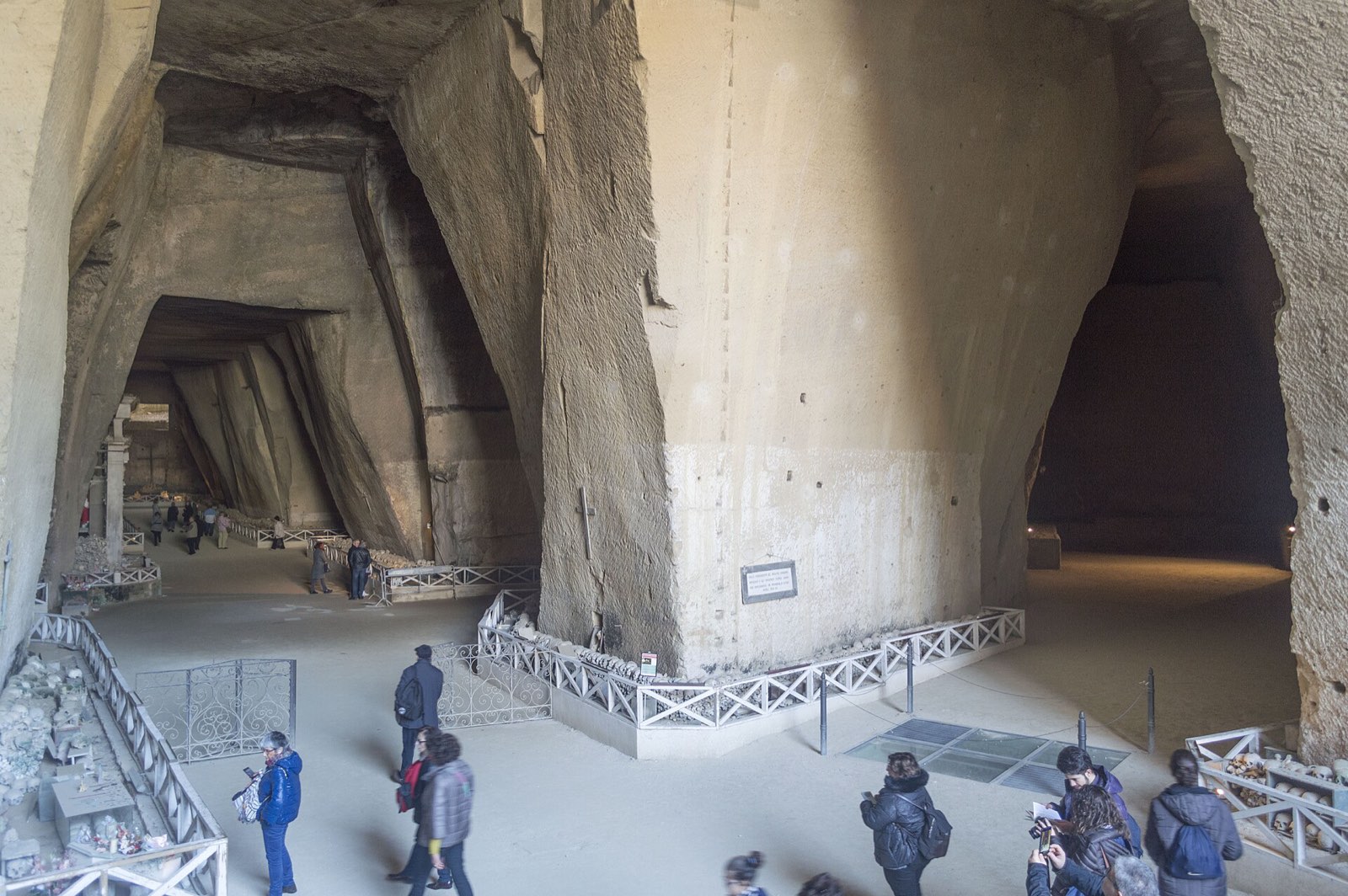
It sounds macabre. It feels tender. Ines can explain the tradition of the anime pezzentelle, the poor souls, and why it says so much about how this city lives alongside death, faith and hope.
Naples has as much city below the ground as above it. Every layer has a story.
The Galleria BorbonicaA king's escape route
In the nineteenth century a Bourbon king ordered a tunnel to link his royal palace to the sea, a secret way out in case of trouble. It was never quite finished. In the Second World War the tunnels became air-raid shelters, and afterwards a pound for impounded vehicles.

Some of those old cars and motorbikes are still down there, rusting gently in the dark. Walking among them, under the elegant streets of Chiaia, is one of the strangest and most wonderful experiences in Naples.
Virgil's tombA poet, a magician and an egg
Up a quiet garden path at Piedigrotta, beside the mouth of an ancient Roman tunnel, stands a Roman tomb long believed to be Virgil's. The poet loved Naples, and in medieval legend he became a magician who protected the city. The most famous story says he hid a magic egg in the foundations of Castel dell'Ovo: if the egg ever breaks, disaster follows.
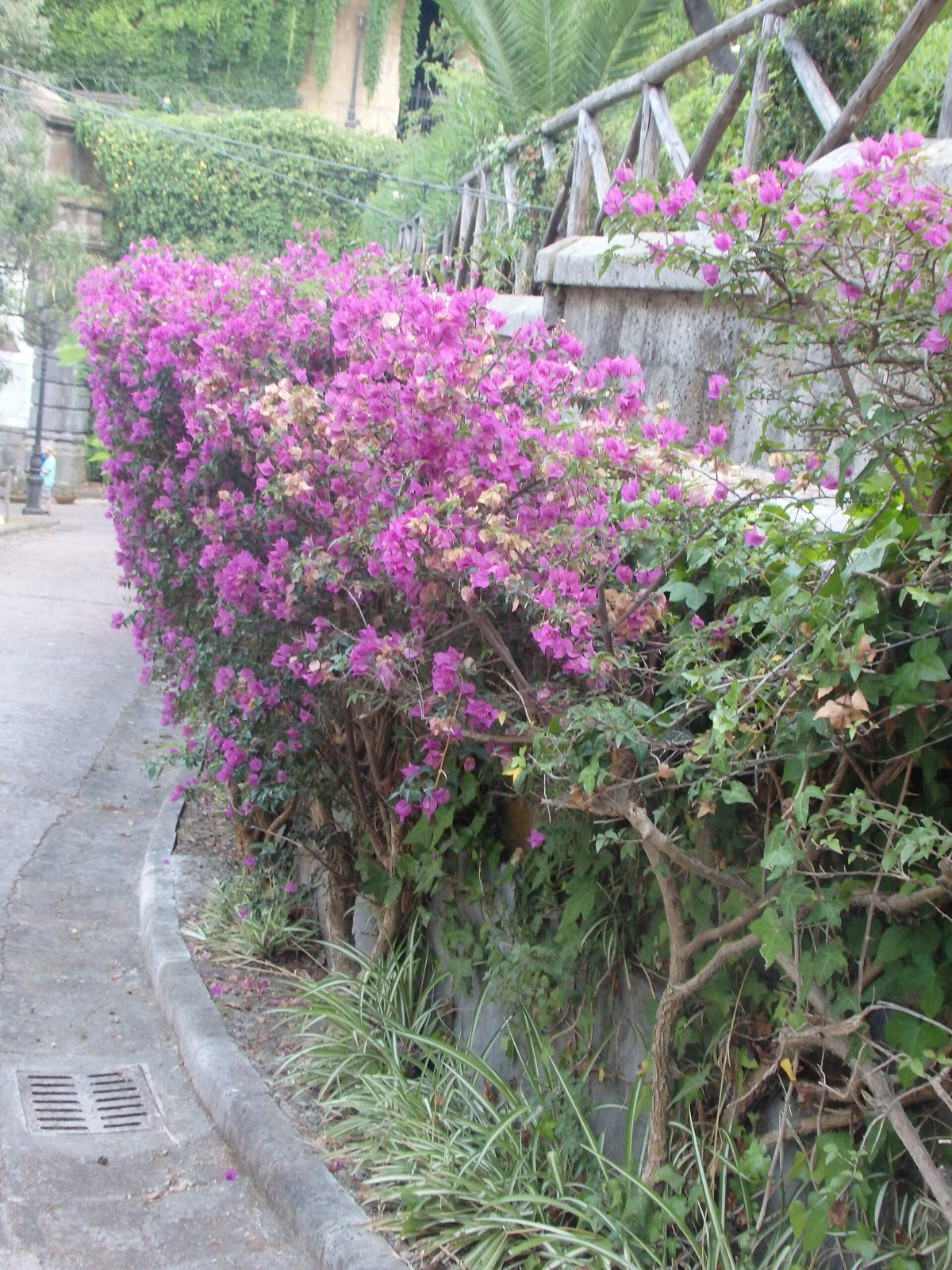
The poet Giacomo Leopardi rests in the same small park. Two great poets, a garden and almost nobody else.
The Doll HospitalWhere toys get well
On Via San Biagio dei Librai, in the heart of the old centre, a tiny family workshop has been mending dolls for generations. The Ospedale delle Bambole is crammed with heads, arms, eyes and porcelain faces waiting for repair. It is funny, a little eerie and completely Neapolitan.
La GaiolaThe island with a curse
To end the day, head out along Posillipo to the sea. Just off the coast sit two little islands joined by a tiny bridge, inside a protected underwater park where Roman ruins lie beneath the clear water. On one of them stands a villa that, legend says, brought bad luck to everyone who owned it.
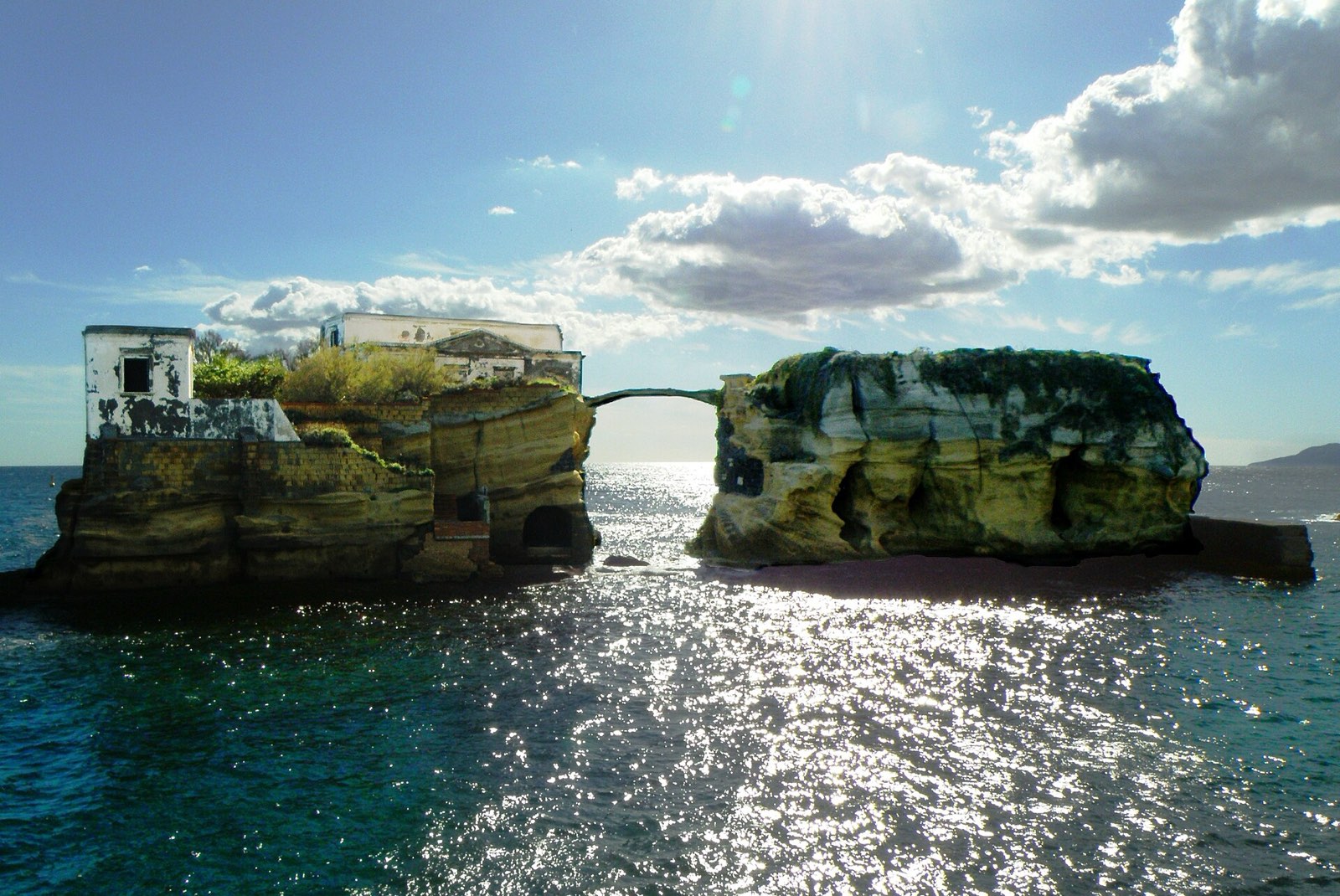
Admire it from the shore, swim if the season is right, and let Ines tell you the stories of its owners. Whether you believe in the curse is up to you.
Finding them with Ines
Some of these places keep unusual hours, need booking ahead or close without warning. That is part of their charm, and exactly why it helps to have a host. Ines knows how to fit them into your day, how to get there on foot or by metro, and which café is on the way.
Ines doesn't claim to know every date and every detail. She is your host: she welcomes you to her city and helps you live it. Want to see it with her?
Plan your day with Ines